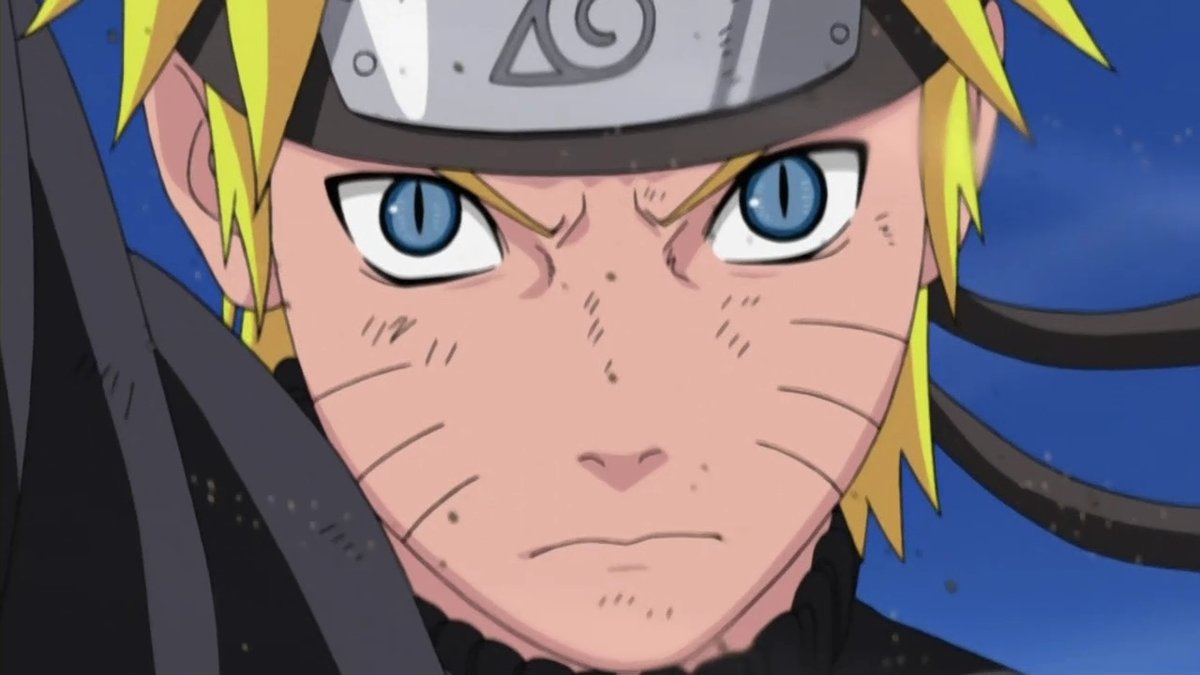
Have you ever found yourself watching Naruto and felt a strange, thrilling echo of Hunter x Hunter? It's a common feeling among anime enthusiasts, sparking a burning question that has long captivated fans: was Naruto inspired by Hunter x Hunter? The answer, straight from the creator's mouth, is a resounding "yes," and the story behind this creative kinship is a fascinating one that deeply enriched the world of the Hidden Leaf Village.
Far from being a mere coincidence or a rip-off, the parallels between these two shonen titans are a testament to the power of influence and mutual respect among mangaka. We're here to pull back the curtain on this intricate relationship, exploring how Yoshihiro Togashi's groundbreaking work laid subtle yet significant groundwork for Masashi Kishimoto's global phenomenon. Before we dive into the specific nods and homages, understanding the timeline of their creation helps frame just how influential Hunter x Hunter truly was.
The Admiration That Forged a Ninja Legend: Kishimoto and Togashi's Bond
The heart of this discussion lies in the profound respect Masashi Kishimoto holds for Yoshihiro Togashi. It's not just a casual admiration; Togashi is Kishimoto's favorite mangaka, a sentiment that speaks volumes about the impact Togashi's storytelling and artistic vision had on the creator of Naruto. This isn't speculation either; Kishimoto himself has openly acknowledged the inspiration, even confirming it in interviews.
This direct lineage of influence is a beautiful aspect of the creative world, where artists build upon the foundations laid by those they admire. Kishimoto didn't just borrow ideas; he absorbed principles, expressions, and narrative structures, filtering them through his unique vision to create something distinctly his own. To truly grasp the depth of this connection, you'll want to explore Kishimoto's admiration for Togashi, straight from his own interviews and see the candid remarks that confirm this artistic mentorship.
Iconic Jutsus and Their Unexpected Origins
One of the most surprising and well-documented instances of direct inspiration concerns Naruto's signature move: the Kagebunshin no Jutsu, or Shadow Clone Technique. While it feels intrinsically Naruto, its roots actually stretch back to one of Togashi's earlier masterpieces, Yu Yu Hakusho.
Kishimoto revealed that he was particularly captivated by Suzaku's fighting style in Yu Yu Hakusho, specifically the innovative idea of "after images" that were authentic, rather than mere illusions. This concept sparked the idea for a technique that creates tangible clones, allowing for strategic depth and unexpected combat scenarios. It's a fantastic example of how a concept can evolve and find new life in a different narrative. For a full breakdown, discover how the iconic Shadow Clone Jutsu found its roots in Yu Yu Hakusho.
Narrative Echoes: Grueling Exams and Obsessive Antagonists
Beyond specific techniques, the structural and thematic parallels between Naruto and Hunter x Hunter are equally striking. Both series launch their protagonists into grueling, multi-stage examinations that are far more than just tests of physical prowess. They are crucibles for character development, forging bonds and exposing weaknesses.
The Hunter Exam vs. The Chunin Exam: Trials by Fire
Consider the Hunter Exam in Hunter x Hunter and the Chunin Exam in Naruto. Both serve as initial proving grounds, introducing a vast array of supporting characters, demonstrating diverse skill sets, and pushing the main cast to their absolute limits. These arcs are pivotal in establishing the series' tone, stakes, and the complex relationships that will drive the story forward. The sheer intensity and strategic thinking required to pass these exams resonate deeply across both narratives. For a comprehensive comparison, dive into a deeper dive into the striking parallels between the Hunter Exam and Chunin Exam.
Hisoka and Orochimaru: The Obsessed Elder Villains
Another compelling similarity lies in the introduction of their first major antagonists: Hisoka Morow from Hunter x Hunter and Orochimaru from Naruto. Both characters are powerful, enigmatic, and possess a disturbing obsession with exceptionally talented young protagonists. They see immense potential in children like Gon and Sasuke, respectively, and delight in manipulating and testing them, often with a perverse sense of twisted affection or scientific curiosity.
These villains aren't just powerful foes; they're catalysts for immense growth and psychological torment, pushing the heroes to confront their deepest fears and limits. Their unsettling presence defines much of the early narrative for both series. To understand the intricacies of these fascinating characters, be sure to read our full breakdown of the Hisoka and Orochimaru villain archetypes.
Complicated Family Ties: Brothers in Shadow and Light
The theme of complex fraternal relationships, often tinged with tragedy and misunderstanding, also finds strong resonance between the two series. These dynamics provide deep emotional stakes and shape the destinies of key characters.
Itachi Uchiha and Illumi Zoldyck: A Brother's Twisted Love
The relationship between Sasuke and Itachi Uchiha in Naruto mirrors, in essence, the dynamic between Killua and Illumi Zoldyck in Hunter x Hunter. Both older brothers are incredibly powerful, carry dark secrets, and exert a profound, often destructive, influence over their younger siblings. While their methods and ultimate motivations differ, the core idea of an older, seemingly sadistic brother who, in their own twisted way, cares for or seeks to control their younger counterpart, is a powerful parallel. These complicated bonds drive much of the emotional narrative and internal conflict for Sasuke and Killua, respectively. Unpack these intricate relationships further with the fascinating parallels between Itachi and Illumi and their younger brothers.
Beyond the Plot: Artistic Expressions and Visual Storytelling
Kishimoto's inspiration from Togashi wasn't limited to plot points or character archetypes; it extended to the very craft of manga artistry. Specifically, Kishimoto has cited Togashi's masterful use of facial expressions during power reveals and intense moments as a significant learning point. The way Togashi conveys raw emotion, shock, determination, or villainous glee through his characters' faces is unparalleled, and Kishimoto consciously studied this to enhance Naruto's visual impact.
This attention to detail in character expressions elevates the storytelling, allowing readers to deeply connect with the characters' internal states and the gravity of the situations they face. It's a testament to Togashi's skill that his lessons in visual communication permeated another beloved series. Explore Kishimoto's masterful use of facial expressions and art style evolution to see this influence in action.
The Enduring Legacy: Fueling Fan Creativity
The profound similarities and confirmed inspirations between Naruto and Hunter x Hunter have not only enriched the individual series but have also sparked a vibrant fan culture. The shared DNA, the compelling characters, and the narrative depth have naturally led fans to imagine what would happen if these worlds truly collided. This cross-pollination of ideas isn't just a byproduct of inspiration; it's a celebration of two incredible creators who have left an indelible mark on the shonen genre. For a peek into this imaginative corner of fandom, be sure to check out the vibrant world of Naruto and Hunter x Hunter fan crossovers.
A Shared Legacy of Innovation
The relationship between Naruto and Hunter x Hunter is a beautiful example of how art inspires art. Masashi Kishimoto's openness about his admiration for Yoshihiro Togashi and the specific ways Hunter x Hunter (and Yu Yu Hakusho) influenced Naruto only deepens our appreciation for both series. It's not about one being "better" than the other, but about recognizing a shared lineage of innovation, character depth, and compelling storytelling that has redefined the shonen landscape for generations. As fans, understanding these connections enriches our experience, allowing us to see the subtle nods and appreciate the intricate tapestry of inspiration that binds these incredible worlds together.